She Leads

Background

In Sierra Leone, women and girls continue to face discrimination in various domains, including political, civic, economic, social, cultural, and education. They are disproportionately affected by sexual and gender-based violence, and women seeking leadership and decision-making positions face significant challenges compared to men. These include lack of economic independence, high illiteracy, entrenched customs and traditions, and lack of confidence to vie for public positions. Despite these challenges, the position of girls and women in society has improved, with more parents sending their daughters to school. At the primary level, girls have achieved parity with boys, and attitudes and behaviors that they now consider acceptable contribute to their autonomy. However, they are increasingly wary of factors that can derail their dreams, such as unwanted pregnancy. Sierra Leone has the 18th highest prevalence rate of child marriage in the world, with 39% of girls married before their 18 years and 13% married before the age of 15, particularly in the north. Due to teenage/unwanted pregnancy, 21% of girls and young women aged 15-19 have begun childbearing, impeding their development. Additionally, women and girls in Sierra Leone have always made vital contributions to the economy, but they have not recorded substantial growth in their economic activities due to inadequate skills development, low educational status, low economic power, and restricted access to credit facilities. Women's representation in all five presidential and parliamentary elections in Sierra Leone has been far too low, leading to marginalization and underrepresentation.

The She Leads Programme is a consortium and a joint strategic partnership comprising child rights organisations, feminist/women’s rights organisations, and girl- and young women- (GYW) led groups to increase the sustained influence of GYW on decision-making and the transformation of gender norms in formal and informal institutions. Sierra Leone is among the nine (9) countries in which the She Leads Partnership is being implemented with the aim of supporting and equipping girls and young women to drive change in their countries. The program also works at the international level to drive policy change on girls’ and young women’s participation; and to empower GYW to use international systems to advance their advocacy.


Interventions:

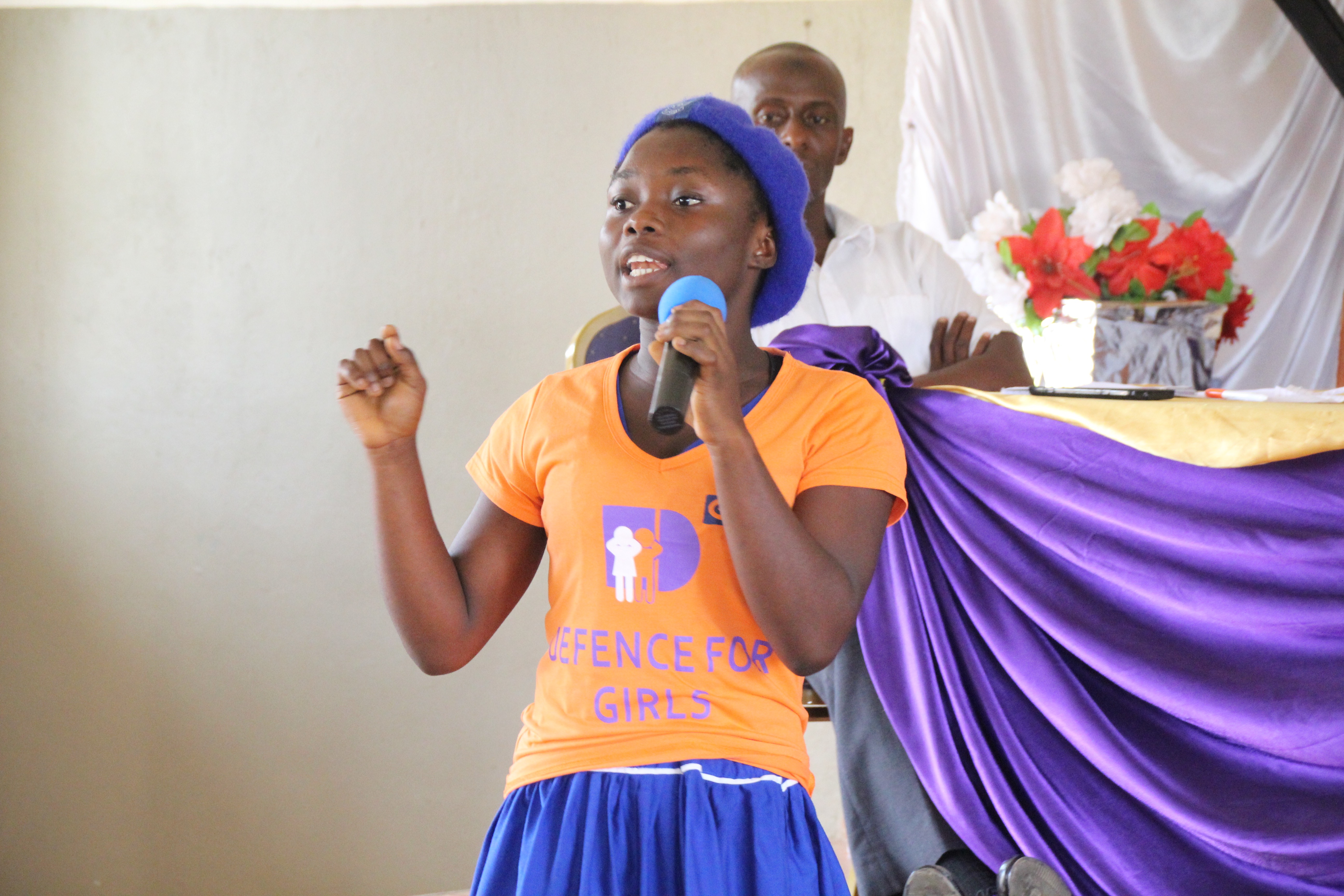
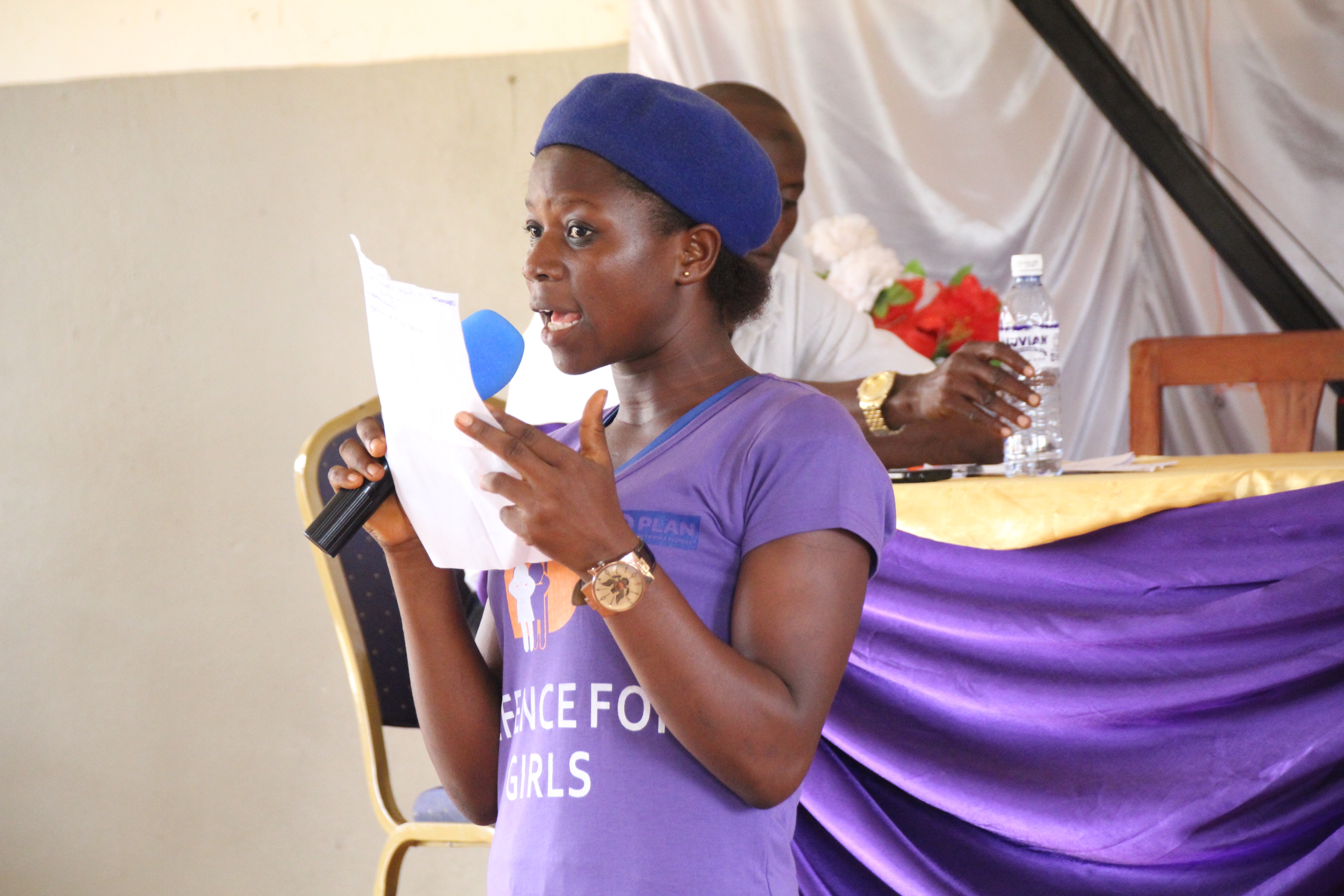
With special focus on girls and young women increased participation and inclusion in leadership and decision making processes, we directly advocated, provided counseling, and organised community outreach programmes. We additionally supported GYW to lead campaigns against gender-based violence and harmful norms, raising awareness, influencing policies, and advocating for systemic changes. We organised consultations with service providers, linked GYW with public institutions and service providers and provided GYWs with funding and technical support to be able to design and implement their programmers and network and coordinated with partners including the Child Rights Coalition to inspire inclusive growth and development for girls and young women.


Achievements:

o We inspired over 50 GYW to step into active leadership roles at school, community, national, and even global levels. Through targeted mentorship, capacity-building, and advocacy, 36 GYW have emerged as confident changemakers. Notable milestones include the appointment of Memunatu Ibrahim as the first female President of the ECOWAS Parliament and Esther Caulker as the youngest lecturer at FBC. In schools, girls now dominate prefectural boards, and in universities, they are being elected to high offices like Governor and Student Union Ambassador—demonstrating that with the right support, young women can lead in spaces traditionally dominated by men.
o Through advocacy, counseling, and community awareness, over 60 GYW were motivated to return to or continue their education, with 20 formerly dropped-out girls reenrolled in Bai-Largoh alone. These efforts have created a shift in community attitudes toward girls’ education. The mentorship component further inspired five GYW to enroll in university, showing a direct link between empowerment interventions and higher education attainment.
o Together with other partners in the Child Right Coalition, we were actively involved in the review and advocacy process for the 2024 Child Rights Act helped place critical issues such as banning FGM for minors on the national legislative agenda. Working alongside partners like Plan International and the ACRWC, She Leads successfully elevated GYW voices in policymaking processes, pushing Parliament to align with international instruments like the Maputo Protocol—demonstrating the power of grassroots advocacy in shaping national laws.
o We have significantly connected GYW to regional and international platforms, amplifying their voices and influence beyond national borders. Participants have represented Sierra Leone at global summits, including the Abu Dhabi Global Summit, GIMAC Pre-Summit, and International Women’s Day panels. These engagements showcase the enhanced visibility and credibility of young Sierra Leonean women in global development dialogues. Hajaratu Bangura’s participation in international events and advisory boards exemplifies how local empowerment can lead to global advocacy.
o In 2024, over $30,000 has been mobilized by GYW-led initiatives for community development efforts, including establishing safe spaces and providing training for marginalized populations. Furthermore, 12 girls’ groups and 2 youth groups are now equipped with grant-writing skills, enabling them to attract national and international funding. This marks a shift from dependence to self-driven activism and sustainability.
o We supported girls and young women to lead the creation of multiple safe spaces offering education, life skills, and counseling to over 145 GYW. More critically, She Leads has influenced cultural gatekeepers, resulting in MOUs with traditional Soweis to end FGM for girls under 18. The rescue of 23 girls from initiation ceremonies in Koinadugu further highlights the programme’s protective impact. Additionally, more than 20 GYW have become Traditional Authorities, gaining voting rights in community decision-making, signifying a major shift in gender roles and local governance;
o Through persistent community engagement, She Leads has achieved a shift in traditional norms that previously excluded girls and young women from leadership. Male leaders, like Chief Speaker Yusif Kamara in Bombali, now challenge exclusionary practices, while new by-laws in Bo and Moyamba mandate the inclusion of GYW in all community decision-making panels. These changes reflect growing community recognition of girls' voices and leadership potential, as well as an evolving culture of inclusion and accountability.
o Additionally, we have increased the employment prospects and visibility of GYW in key decision-making spaces. GYW have been appointed to organizational boards, employed in non-traditional sectors like construction, and placed in academic roles. The establishment of the Youth Climate Council by She Leads members signifies institutional recognition of GYW leadership in climate governance. This growing presence in governance and employment signals progress toward gender parity in public life.
o Finally, we have expanded from 6 to 16 active GYW groups within just six months, fostering deeper collaboration with CSOs, feminist organizations, and youth movements. These partnerships have enabled joint advocacy on gender equality, climate justice, and education. New actors like She Empowerment League and Concern for Koinadugu are actively contributing to the broader movement for girls' empowerment, marking the rise of a decentralized and sustained movement for gender transformation in Sierra Leone.

Lessons learnt:

o Some of the safe spaces they are establishing in their communities lack the necessary first aid kits required for their meeting; as a result participation has not been smooth for some girls and young women.
o Limited accessibility for people living with disability in the areas where meetings are held, most of the locations where She Leads meetings are not disabled friendly and for those living with disability this might be a challenge for them to attend.
Go Back Top