
WHAT WE DO
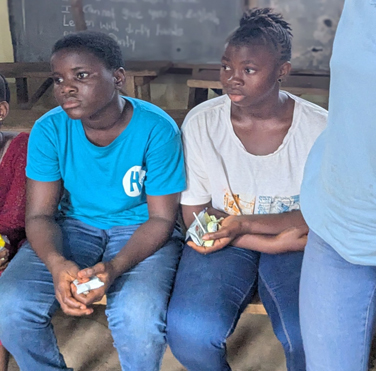
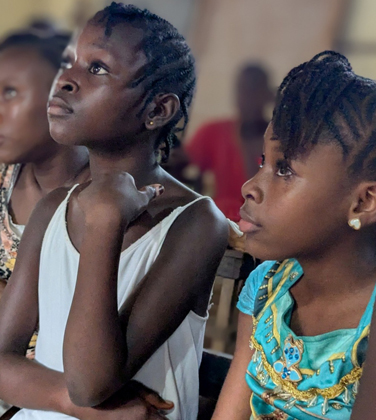
DCI National Sections are grassroots organisations which develop and implement programs responding to the needs and priorities of children in their countries. During the last DCI General Assembly in November 2022 in Mauritania, a new Strategic Framework was adopted to guide the Movement’s work from 2022 to 2026.
Positive Parenting
The parent is the first and most important teacher of the child and guides the child on how to traverse the world, how to coexist with others, how to observe rules and principles of the society and how to manage one's emotions. Thus positive parenting is key and serves as a primary source of the child’s development. On the other hand, bad parenting can have adverse effects on the child which would include behavioral issues, lack of understanding of how to treat others, low self-esteem, academic struggles, and a range of emotional problems in children. These effects can continue into adulthood and may even be passed down to future generations. In Sierra Leone today, many people believe that the society is full of problematic children because these children are being born and raised by parents who lack positive parenting skills. Many parents today were born during the period of the Sierra Leone past civil conflict and missed the chances of going through acceptable socio-cultural grooming processes and values, and have grown up into adulthood with poor parenting skills.
As a way of addressing this growing problem across Sierra Leone, DCI-SL in collaboration with UNICEF and the Ministry of Social Welfare and other NGOs have introduced positive parenting programs (Triple P) in several communities across Sierra Leone. The program aims to increase parental confidence and reduce parenting stress while fostering children's emotional well-being and development. The program provides parents with hands-on strategies to build strong relationships with their children, empower them to navigate the society, prevent problems from developing and manage the children’s behaviors positively.
In a more specific terms, through the program in the last two years, DCI-SL has provided trainings for a cross section of parents in 35 communities, who are in turn expected to influence other parents within the community through examples and education. DCI-SL also organizes community dialogue meetings including intergenerational sessions facilitated by parents who have been trained as focal peer educators. Given the role that practical examples play in educating humans. DCI-SL formed and trained drama groups in the communities and used drama performance to sensitize more people within the communities about positive parenting through demonstrations that reflect the context of the communities. Radio discussion and education programs have also been organized to reach out to more listeners with messages on positive parenting.
Within DCI-SL, positive parenting is not a standalone project but rather treated as an activity that has been mainstreamed across all DCI-SL projects.
The table above shows that more female parents/care givers (65%) than their male counterparts (35%) were reached. Though there is no scientific evidence that one parent is inherently more important than the other, as both parents are crucial for a child's well-being, traditional and gender roles in Sierra Leone, which keep mothers more at home and closer to the children have often led to the perception that mothers are more important. Thus, more female parents and girls were targeted for the program. Additionally, there are more mothers than fathers in the communities that were targeted either because of death, fathers living in separate communities because of their employment or as a result of separation. Similarly, more girls (56%) than boys (44%) were reached
Life Skills
DCI-SL has found Life skills for children and young people as a strong complementary program to children’s academic education and positive parenting. Parents and children require the skills and guidance to make their homes and communities better. Life skills can provide children and young people the core set of cognitive, emotional, and social abilities that help them navigate and cope with life's dynamic challenges in order to achieve personal development. Developing these skills can involve a supportive home or school environment, give children choices, and use techniques like games and discussions to build confidence and competences.
DCI-SL has been organizing various kinds of activities including trainings, life skills discussion sessions, games and other socio-cultural activities to implement its life skills program in communities and schools using government’s approved or recognized manuals. These activities have been organized to build cognitive, emotional and practical life skills for the individual children and young people.
In order to make the life skills sessions more effective, meaningful and achieve total participation of all, the children and young people targeted were placed in small groups by batch. After going through all the planned modules, a batch will graduate, whilst another set of children will be recruited as a new batch to go through the program. All the graduates would have developed basic life skills including Self Esteem, sufficient knowledge in Sexual Reproductive Health Rights and Services, Personal Hygiene, Emotional Intelligence, Decision Making and Goal Setting. Additionally, they would have set their short-term goals and concrete steps that they have planned to undertake to achieve the goals. DCI-SL then follows up on them to assess to what extent they are moving towards achieving their goals and then provides support where necessary. The children and young people are also trained and encouraged to be providing support to each other and sustain the program in their communities through the application of simple but collective initiatives that target other children and young people.
The Life skills program was implemented in 45 communities targeting over 4,000 children and young people, most of whom were girls.
• More girls (75%) than boys (25%) benefited because most of the DCI-SL projects that implemented the life skills initiative were girls centered projects that primarily targeted girls in order to address their vulnerability and empower them to hold leadership positions and participate in decision making. The interventions exclusively targeted children and young people in rural communities.
Legal Empowerment and Youths Activism
DCI-SL has over a decade experience in working with children and youths particularly in promoting their participation in decision making including policy reforms. Over and above all, DCI-SL has learnt that children and young people’s participation and activism have an extraordinary potential to transform communities, and it carries important benefits to the children and young people who actually participate in the process. In this respect, DCI-SL has been supporting children and young people to organize themselves and undertake actions that lead to social change. Given that the focus has been much on access to justice and gender equality, DCI-SL has used legal empowerment strategies to strengthen the capacity of children and young people especially those within the adolescent age bracket to know, use, and shape the law to exercise their rights and hold power accountable at community and national levels. The approach is to equip the youths with legal and rights-based knowledge and tools to achieve greater justice and systemic change within their communities.
The strategies have included training children and young people about the laws (both national and international) that govern their rights, the mechanisms and structures responsible for implementation and enforcement of the laws, gaps that exist and the role that they can play to address gaps in the laws or challenges with their implementations. DCI-SL has provided training for over 20 young peoples groups in 7 out of the 14 districts of Sierra Leone The include Western Area, Bo, Moyamba, Pujehun, Kenema, Bombali, Karene and Kambia districts. These young people’s groups have got sound knowledge in rights to access to justice and rights associated with gender equality and are now using the knowledge and skills to educate other young people about their rights, helping them to access justice when required and together they are using the laws for redress, and advocating for changes to legislations and policies.
In rural communities, we have trained youths as paralegals whilst in urban cities, we have trained them as youth advocates. The youth paralegals work under the supervision and guidance of DCI lawyers who do not only have knowledge in the law but sound experience in working with youths in the field of child/youth rights. These community-based paralegals identify cases of children in conflict or in contact with the law (victims) at community level and facilitate their access to justice. They also carryout lobby and advocacy for the ban or transformation of community by-laws and traditional practices and customs.
In both 2023 and 2024, these young people actively participated in the review of the Child Rights Act 2007, the drafting of the Child Marriage bill 2024, the development of the Justice Sector Reform Strategy 2024- 2028, the Criminal Procedure Act 2025 and other important documents.
Outcomes of the Youths Legal Empowerment and Youth Activism programs:
• We now have strong and reliable youth groups that are competent enough to advance the voice of children and youths in legal reforms processes. These young activists are at the forefront of creating new solutions and pushing for policy changes on issues of justice and gender equality;
• We now have more progressive laws and policies that reflect best interest principles of children and young people, which would have been achieved through extensive involvement of young people in the processes of policy development;
• We have observed significant personal growth in the young people that are involved with legal empowerment and youths’ activism. They now demonstrate strong confidence, sense of self and purpose and improved self-esteem;
• Through their engagement in activism and legal empowerment the young people are demonstrating significant knowledge about governmental, political and developmental processes and this will certainly encourage them to continue to become informed citizens and be motivated to be more active;
• Majority of the young people involved with legal empowerment and youths activism have developed critical skills that are valuable for both their personal life and future careers. These include communication, organizing, leadership, conflict resolution, and critical thinking;
• Young people have acquired expanded social networks within and outside Sierra Leone and are exposed to opportunities like mentorship, training, funding and other support from NGOs, UN agencies and government;
• The paralegals have documented over 500 cases of children and young people that they have worked on in 2023 and 2024;
• With presence of paralegals in communities, access to justice continue to improve as more people understands how to demand for the rights of their children/ward with the help of the paralegals.
Despite ongoing efforts by the government of Sierra Leone including recent policy and legal reforms, creation and strengthening of response mechanisms and establishment of coordinating networks in ensuring that no child suffers from any harm, large number of children continues to face abuses and exploitation in various forms across the country. The recognition of the gaps warrants DCI-SL to craft interventions that prevent harm, rescue victims, rehabilitate and reintegrate them. In both 2023 and 2024, DCI-SL through communities, police, border securities, CSOs and reports received at the socio-legal defence centres, identified, managed and supported the following cases in diverse ways in order to enhance their access to justice, rehabilitation and reintegration services.
Our Impact:
Rescue operations - In collaboration with border security officials, the Family Support Unit of the Police, other CSOs and community-based actors, DCI-SL rescued 127 cases (58 in 2023 and 69 in 2024) of trafficking and sexual exploitation including child marriage and harboring. These cases were managed and supported through the case management and referral networks established by the Ministry of Social Welfare and UNICEF as well as direct services provided by DCI-SL for the rehabilitation and reintegration of the victims/survivors. Whilst majority of the 127 cases have been reintegrated, some few are still in shelters awaiting reintegration
Legal Assistance- DCI-SL provided legal assistance to all the 369 cases that were identified in both 2023 and 2024. DCI-SL has a pool of lawyers and paralegal social workers that support cases with the necessary or relevant legal services in and out of the police and court. The benefits of the legal assistance include fast tracking of cases, negotiations for compensation and restitution for victims and prevention of further violation of the rights of victims especially at the police and court
Rehabilitation and reintegration- DCI-SL has Socio-Legal Defence Centres where victims go through first aid counseling and life skills building. Victims can also be referred to other service providers to provide services that DCI-SL cannot provide, which includes medical, shelter and others. Reintegration is usually done through educational support including vocational skills development and other forms of livelihood sustainability support
Prosecution- Prosecution of crimes is only allowed by the competent state institutions, mainly police prosecutors and state counsels. What DCI-SL’s normally lawyers normally do is to associate with prosecution by assisting state prosecutors to prosecute matters. With progressive new lawyers such as the Sexual Offences Act 2012 amended in 2019, the Anti-Human Trafficking and Migrant Smuggling Act 2012, the Prohibition of Child Marriage Act 2024 and the Child Rights Act 2007, prosecutors have been further empowered by these laws to hook in perpetrators. However, rate of conviction has remained very low especially for trafficking crimes. In both 2023 and 2024, there was no conviction of trafficking crimes. However, DCI-SL observed increasing rate of conviction of sexual related crimes especially sexual penetration of minors whilst cases of neglect and physical violence were mostly resolved out of the court.
Training- In 2023, the government (Judiciary), in partnership with UNODC, IOM and NGOs like DCI Sierra Leone and World Hope International trained law enforcement and judicial officials on investigating and prosecuting cases under the anti-trafficking law and on victims’ protection and disseminated a draft training manual to prosecutors. It is hoped that the trainings will lead to increase in prosecution and conviction of trafficking cases.
Normalized Crimes Against Children
Though international human rights laws class child labour and female genital mutilation among worst crimes against children, the practices are widespread and normalized by the people and state authorities of Sierra Leone. Both child labour including worst forms and FGM are regularly committed against children without warranting any arrest of perpetrators neither restraining them. These crimes are usually considered as acceptable traditional practices that contribute towards the development of children and Sierra Leonean culture. However, in reality, girls who are victims of FGM continue to suffer from harm including untimely deaths and lasting impact on their health and wellbeing.
Though together with UNICEF and other CSOs within the Child Rights Coalition, we fought hard to achieve a legislative ban on child FGM, we could not achieve this. For the first time in the history of Sierra Leone, we were able to convince the executive arm of the government to include their commitment to outlaw FGM in their Medium-Term Development Plan and also included the provision in the Child Rights bill, however, this provision was expunged from the bill by the legislators in Parliament. However, this will not stop us from initiating new strategies to pursue our dream as children’s rights should be holistic addressed.
s
Recognizing the peculiar and unique challenges that girls and young women face including marginalization, abuse and exploitation, DCI-SL implemented specialized programs aimed at addressing violations against girls and young women as well as empowering them to equally exercise their rights and benefit from goods and services of the society. DCI-SL thus implemented two critical programs including 1) The She Leads program in Western Area, Bombali, Bo and Moyamba Districts and 2) the Adolescent Girls Empowerment and Protection project (AGEPP) in Karene district. Implementation of these programs have been driven by critical government policies and legislations including the Gender Equality and Women’s Empowerment policy and law, the Sexual Offences Act and other relevant gender laws and policies.
Our impacts:
• DCI-SL formed adolescent girls and young women’s groups in 50 communities with a total membership size of over 1000
• Trained local/community-based mentors to be mentoring and providing other support to the girls
• Supported girls and young women to transform their clubs/groups into CSOs and provided funding and training for them to carry out their self-initiated activities and raise more funds to be self-reliant
• Promoted access to education for out of school girls and young women in all the communities of program intervention
• Provided technical and logistics support to 53 schools in order to organize gender socialization sessions and activities that changed negative gender norms into positive ones, including ensuring that girls too can become senior prefects in co-educational schools rather than just being head girls working under the senior prefect
• Formed over 40 Women Action Groups to support socio-economic development of girls’ mentors and other women,
• Trained Basic Literacy and Numeracy Skills facilitators targeting to teach young women functional numeracy and literacy,
• Provide support to Peripheral Health Units and trained community-based health care staff to provide Sexual Reproductive Health Services for girls and young women including first aid medical services for girls and young women who had suffered from rape/sexual penetration and other GBV related injuries that require urgent medical treatment
• Established functional safe spaces in all the 50 communities and both the adolescent girls and their mentors are now using the safe spaces to organise life skills sessions, meetings and mentoring sessions for the adolescent girls.
• Provided school supplies and sanitary kits to address gap in access to basic essential needs and these supplies have motivated and inspired them to be serious and work hard in school.
• Established Village Savings Loan Associations (VSLA) groups and trained them to effectively run the scheme ongoing, monthly radio discussions and training of PHU staff and support with buffer pep kits provided for all health centres.
• Support community-based women's groups to organise cross border meetings that address challenges that Girls and Young women face in accessing education and engaging in trading and other economic
• More girls and women are now in schools and universities as well as holding leadership and political positions in schools, universities, communities and at national level
• Increase in number of active girls’ rights champions and advocates- more girls and young women including those at the community levels have developed greater ability to advocate for or negotiate with political leaders for their rights and community needs
• Political leaders and decision makers are increasingly recognizing the need to be involving girls and women in decision making processes there by engendering diverse opinions in public debates
• Emergence of reliable girl-led groups and organizations that amplify the voice of girls and young women particularly in shaping policies that reflect the aspirations of girls and young women
• More girls and young women are becoming entrepreneurs engaged in diverse form of businesses including those that were perceived masculine and only done by the men
Guided by the Education Sector Plan 2022-2026 of the government of Sierra Leone, whose overarching goal is to improve learning outcomes for all children and youths and the P4 agenda, DCI-SL’s education program equally aims at building the foundational literacy and numeracy acumen of rural primary and junior secondary school students in order to improve their learning outcomes. In both 2023 and 2024, the program targeted 19 rural schools in Bo, Bombali, Kenema and Pujehun Districts.
Interventions
With special focus on driving foundational learning of students, DCI-SL
• Provided training and regular coaching for all the teachers at the targeted schools,
• Strengthened schools governance systems
• Mobilized community support towards the schools,
• Organised bi-weekly life skills sessions for the students,
• Increased number of children with disability benefiting from the project by targeting special needs schools that provide education for children with disabilities including those with hearing impairment or suffering from blindness
• Strengthened the relationship between the schools and the government (both Ministry of Education and the Teaching Service Commission).
• Supported after school study group sessions especially targeting students with no study facility at home
• Supported school to organised extra curricula activities including games and sport, debate, quiz and drama competitions
Achievements
• These interventions have been promising and have contributed significantly towards improving the pedagogical competencies of teachers and learning outcomes of the students. In two years (between September 2023 and May April 2024) DCI trained and repeatedly coached 157 teachers (62% male and 38% female) and 2% are with disability from 20 schools. Both DCI’s monitoring and continues teachers’ assessment data and project evaluation data show that on average over 80% of the teachers at the primary and 83% at the secondary school are now good at using the DCI’s child centered methodology to teach. At the beginning of the project only 20% of teachers in primary schools and 23% of teachers at the secondary schools had relatively good knowledge and skills in applying child centered teaching methodology.
• In 2023, about 5616 students benefited from the project. By 2024, the number rose to 6115 students (50.9% girls, 49.1% boys and 3.2%with disability). Due to the use of improve child centred methodology, learning outcomes of the students have been steadily increasing. The recent evaluation study of this project reveals that there is a considerable increase in foundational literacy abilities among students of the primary schools from 14% or less to 65% or more, whilst those with foundational numeracy abilities increased from an average of 23% to an average of 64.5%. Similarly, at the junior secondary schools, the percentage of students with basic foundational literacy abilities has increased from 14% (baseline) to 70% whilst those with basic foundational numeracy abilities have increased from 32% to 66%.
• Furthermore, all the 20 schools covered now have functional school governing bodies such as the School Management Committees, Board and Community Teachers Associations (CTAs) meeting regularly and playing their roles despite of their own challenges and shortfalls including low commitment of some of the members.
Our child justice program seeks to ensure that children in conflict and in contact with the law can seek redress, be rehabilitated and reintegrated in society. In recent years, the Government of Sierra Leone’s justice agenda was guided by its Justice Sector Reform Strategy and Investment Plan IV (JSRSIP 2018-2023).
In 2024 following the expiration of the JSRSIP, the government of Sierra Leone developed the Justice Sector Reform Strategy (2024 -2030), which is intended to build upon the achievement of the JSRISP as well as efforts towards Sierra Leone’s attainment of the Sustainable Development Goal 16’s targets for peace, justice and inclusion (SDG16+) by 2030.
DCI Sierra Leone implements programs to influence, accelerate and/or contribute towards the execution of the legislations, policies and strategies of the government as well as regional and international standards. In a more specific terms, DCI carries out the following interventions to facilitate access to justice, rehabilitation and reintegration of children in conflict and in contact with the law:
• DCI Sierra Leone identifies and manages cases of children in conflict and in contact with the law through its socio-legal defence centres (SLDCs), established in Freetown, Bo, Makeni and Kenema
• Regular monitoring of law enforcement and justice institutions to identify and support cases of children
• Conduct cases management for cases identified in order to ensure that the children concerned receive appropriate socio-legal services based on their needs, following assessment
• Provide legal aid including advice and representation
• Counseling services especially in a form of first aid Family tracing and working with families to reintegrate the children concerned
• Legal empowerment of children and youths, enabling them influence legal transformation in their communities
OUR IMPACT:
As a result of the advocacy work of DCI and other organisations, the following have been done:
• Expansion of courts- more courts have been established in Freetown, Bo and Kenema and other places with more magistrates, judges and state counsels recruited. Though the addition is not enough, it will help in reducing workload of existing courts and improve period of adjudication of matters
• Development of a new justice reform strategy
• Review of the Child Rights Act to address legal gaps concerning child justice and other issues. The new Child Rights bill is more comprehensive with new provisions that meet minimum international standards, which if passed into law will address major gaps in existing laws on child justice
• Rate of detention of children at police stations has significantly reduced despite the fact that major problems regarding treatment of children in police hands still prevail. The police is also now more approachable in negotiating for the release of children in conflict with the law as well as resorting to alternative dispute resolution practices compared to before. This is due to increase in monitoring and accountability mechanisms
o Expansion of courts- more courts have been established in Freetown, Bo and Kenema and other places with more magistrates, judges and state counsels recruited. Though the addition is not enough, it will help in reducing workload of existing courts and improve period of adjudication of matters
o Review of the Child Rights Act to address legal gaps concerning child justice and other issues. The new Child Rights bill is more comprehensive with new provisions that meet minimum international standards, which if passed into law will address major gaps in existing laws on child justice
o The rate of detention of children at police stations has significantly reduced despite the fact that major problems regarding treatment of children in police hands still prevail. The police is also now more approachable in negotiating for the release of children in conflict with the law as well as resorting to alternative dispute resolution practices compared to before. This is due to an increase in monitoring and accountability mechanisms.