Violence Against Children
Violence Against Children: Child Trafficking, Sexual Violence and Exploitation
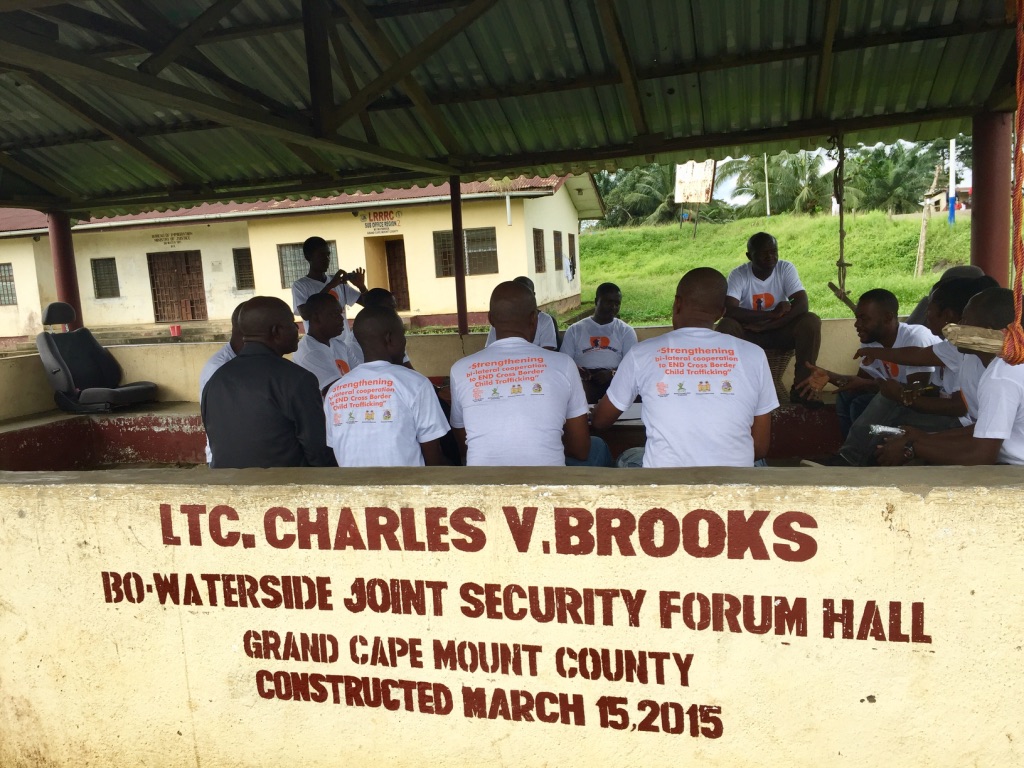
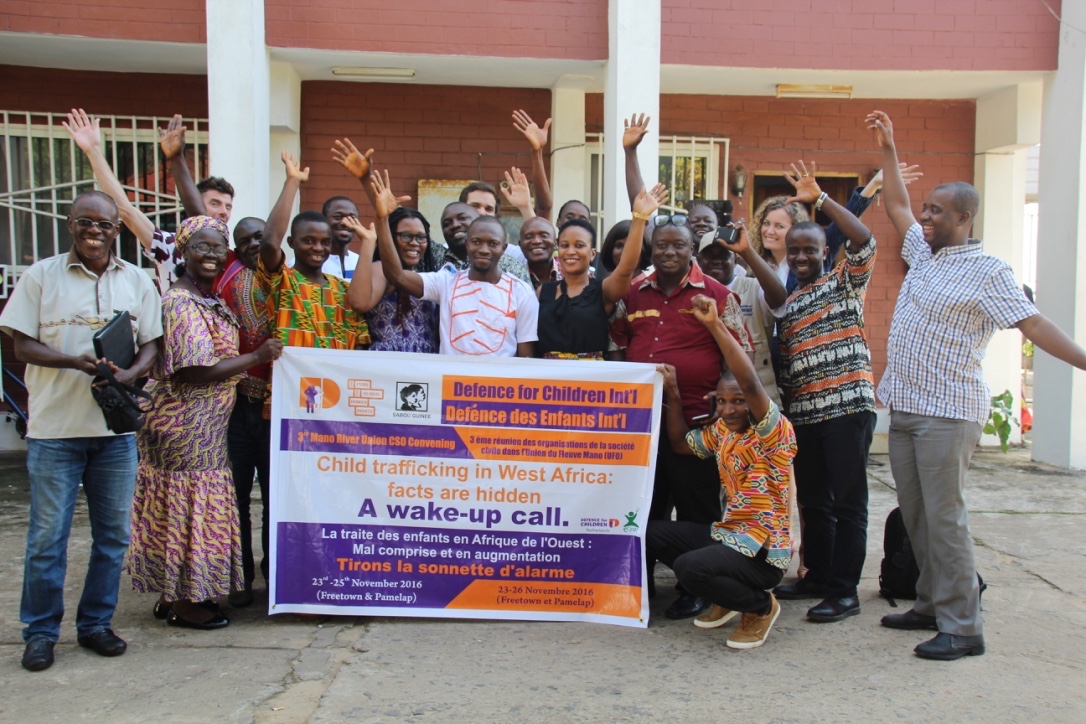
Despite ongoing efforts by the government of Sierra Leone including recent policy and legal reforms, creation and strengthening of response mechanisms and establishment of coordinating networks in ensuring that no child suffers from any harm, large number of children continues to face abuses and exploitation in various forms across the country. The recognition of the gaps warrants DCI-SL to craft interventions that prevent harm, rescue victims, rehabilitate and reintegrate them. In both 2023 and 2024, DCI-SL through communities, police, border securities, CSOs and reports received at the socio-legal defence centres, identified, managed and supported the following cases in diverse ways in order to enhance their access to justice, rehabilitation and reintegration services.
Our Impact:
Rescue operations - In collaboration with border security officials, the Family Support Unit of the Police, other CSOs and community-based actors, DCI-SL rescued 127 cases (58 in 2023 and 69 in 2024) of trafficking and sexual exploitation including child marriage and harboring. These cases were managed and supported through the case management and referral networks established by the Ministry of Social Welfare and UNICEF as well as direct services provided by DCI-SL for the rehabilitation and reintegration of the victims/survivors. Whilst majority of the 127 cases have been reintegrated, some few are still in shelters awaiting reintegration
Legal Assistance- DCI-SL provided legal assistance to all the 369 cases that were identified in both 2023 and 2024. DCI-SL has a pool of lawyers and paralegal social workers that support cases with the necessary or relevant legal services in and out of the police and court. The benefits of the legal assistance include fast tracking of cases, negotiations for compensation and restitution for victims and prevention of further violation of the rights of victims especially at the police and court
Rehabilitation and reintegration- DCI-SL has Socio-Legal Defence Centres where victims go through first aid counseling and life skills building. Victims can also be referred to other service providers to provide services that DCI-SL cannot provide, which includes medical, shelter and others. Reintegration is usually done through educational support including vocational skills development and other forms of livelihood sustainability support
Prosecution- Prosecution of crimes is only allowed by the competent state institutions, mainly police prosecutors and state counsels. What DCI-SL’s normally lawyers normally do is to associate with prosecution by assisting state prosecutors to prosecute matters. With progressive new lawyers such as the Sexual Offences Act 2012 amended in 2019, the Anti-Human Trafficking and Migrant Smuggling Act 2012, the Prohibition of Child Marriage Act 2024 and the Child Rights Act 2007, prosecutors have been further empowered by these laws to hook in perpetrators. However, rate of conviction has remained very low especially for trafficking crimes. In both 2023 and 2024, there was no conviction of trafficking crimes. However, DCI-SL observed increasing rate of conviction of sexual related crimes especially sexual penetration of minors whilst cases of neglect and physical violence were mostly resolved out of the court.
Training- In 2023, the government (Judiciary), in partnership with UNODC, IOM and NGOs like DCI Sierra Leone and World Hope International trained law enforcement and judicial officials on investigating and prosecuting cases under the anti-trafficking law and on victims’ protection and disseminated a draft training manual to prosecutors. It is hoped that the trainings will lead to increase in prosecution and conviction of trafficking cases.
Normalized Crimes Against Children
Though international human rights laws class child labour and female genital mutilation among worst crimes against children, the practices are widespread and normalized by the people and state authorities of Sierra Leone. Both child labour including worst forms and FGM are regularly committed against children without warranting any arrest of perpetrators neither restraining them. These crimes are usually considered as acceptable traditional practices that contribute towards the development of children and Sierra Leonean culture. However, in reality, girls who are victims of FGM continue to suffer from harm including untimely deaths and lasting impact on their health and wellbeing.
Though together with UNICEF and other CSOs within the Child Rights Coalition, we fought hard to achieve a legislative ban on child FGM, we could not achieve this. For the first time in the history of Sierra Leone, we were able to convince the executive arm of the government to include their commitment to outlaw FGM in their Medium-Term Development Plan and also included the provision in the Child Rights bill, however, this provision was expunged from the bill by the legislators in Parliament. However, this will not stop us from initiating new strategies to pursue our dream as children’s rights should be holistic addressed.