Prevention Programs
Prevention Programs: Promoting Community Cohesion in Western Area, Moyamba + Kenema
Positive Parenting
The parent is the first and most important teacher of the child and guides the child on how to traverse the world, how to coexist with others, how to observe rules and principles of the society and how to manage one's emotions. Thus positive parenting is key and serves as a primary source of the child’s development. On the other hand, bad parenting can have adverse effects on the child which would include behavioral issues, lack of understanding of how to treat others, low self-esteem, academic struggles, and a range of emotional problems in children. These effects can continue into adulthood and may even be passed down to future generations. In Sierra Leone today, many people believe that the society is full of problematic children because these children are being born and raised by parents who lack positive parenting skills. Many parents today were born during the period of the Sierra Leone past civil conflict and missed the chances of going through acceptable socio-cultural grooming processes and values, and have grown up into adulthood with poor parenting skills.
As a way of addressing this growing problem across Sierra Leone, DCI-SL in collaboration with UNICEF and the Ministry of Social Welfare and other NGOs have introduced positive parenting programs (Triple P) in several communities across Sierra Leone. The program aims to increase parental confidence and reduce parenting stress while fostering children's emotional well-being and development. The program provides parents with hands-on strategies to build strong relationships with their children, empower them to navigate the society, prevent problems from developing and manage the children’s behaviors positively.
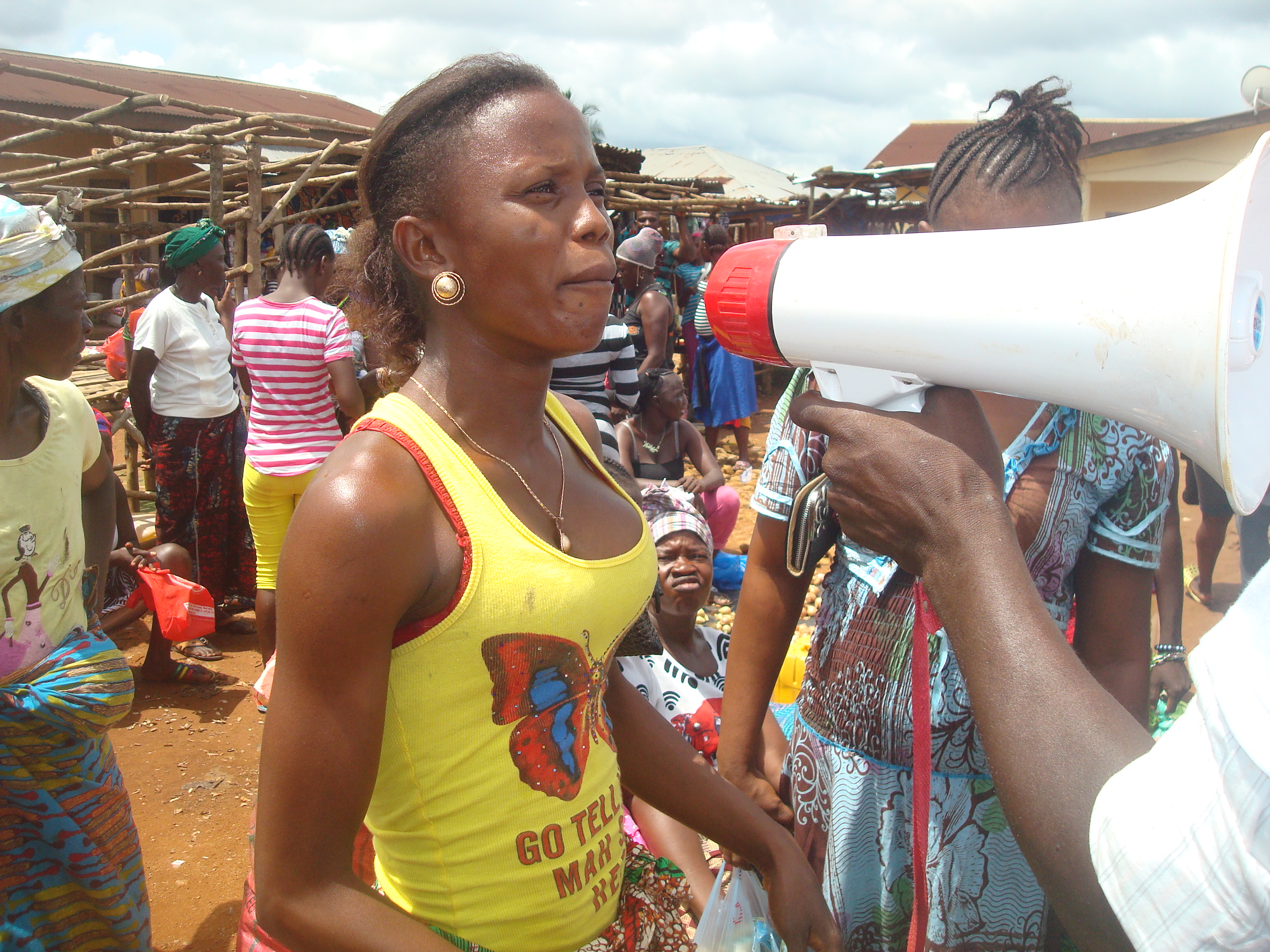
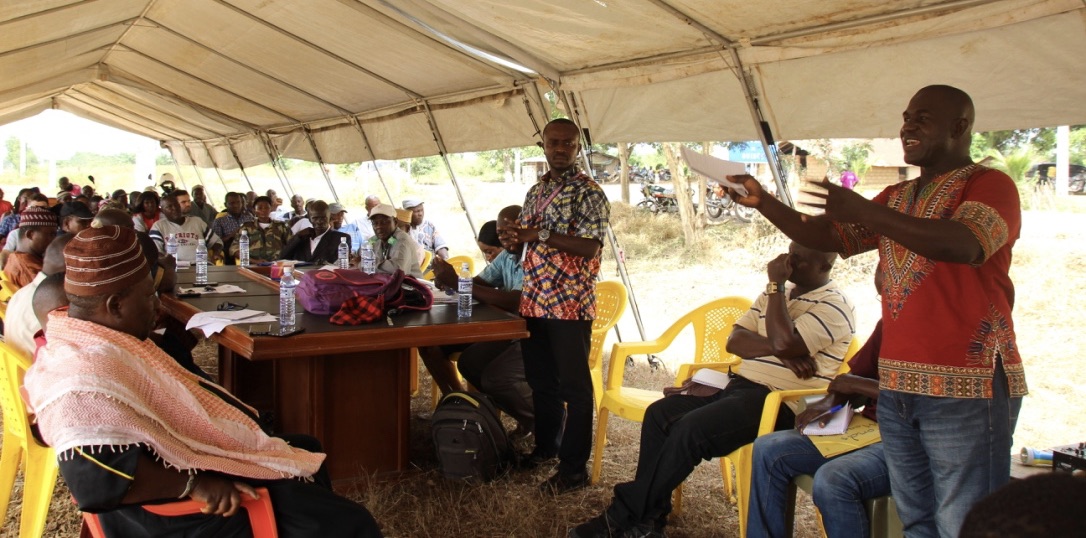
In a more specific terms, through the program in the last two years, DCI-SL has provided trainings for a cross section of parents in 35 communities, who are in turn expected to influence other parents within the community through examples and education. DCI-SL also organizes community dialogue meetings including intergenerational sessions facilitated by parents who have been trained as focal peer educators. Given the role that practical examples play in educating humans. DCI-SL formed and trained drama groups in the communities and used drama performance to sensitize more people within the communities about positive parenting through demonstrations that reflect the context of the communities. Radio discussion and education programs have also been organized to reach out to more listeners with messages on positive parenting.
Within DCI-SL, positive parenting is not a standalone project but rather treated as an activity that has been mainstreamed across all DCI-SL projects.
The table above shows that more female parents/care givers (65%) than their male counterparts (35%) were reached. Though there is no scientific evidence that one parent is inherently more important than the other, as both parents are crucial for a child's well-being, traditional and gender roles in Sierra Leone, which keep mothers more at home and closer to the children have often led to the perception that mothers are more important. Thus, more female parents and girls were targeted for the program. Additionally, there are more mothers than fathers in the communities that were targeted either because of death, fathers living in separate communities because of their employment or as a result of separation. Similarly, more girls (56%) than boys (44%) were reached
Life Skills
DCI-SL has found Life skills for children and young people as a strong complementary program to children’s academic education and positive parenting. Parents and children require the skills and guidance to make their homes and communities better. Life skills can provide children and young people the core set of cognitive, emotional, and social abilities that help them navigate and cope with life's dynamic challenges in order to achieve personal development. Developing these skills can involve a supportive home or school environment, give children choices, and use techniques like games and discussions to build confidence and competences.
DCI-SL has been organizing various kinds of activities including trainings, life skills discussion sessions, games and other socio-cultural activities to implement its life skills program in communities and schools using government’s approved or recognized manuals. These activities have been organized to build cognitive, emotional and practical life skills for the individual children and young people.
In order to make the life skills sessions more effective, meaningful and achieve total participation of all, the children and young people targeted were placed in small groups by batch. After going through all the planned modules, a batch will graduate, whilst another set of children will be recruited as a new batch to go through the program. All the graduates would have developed basic life skills including Self Esteem, sufficient knowledge in Sexual Reproductive Health Rights and Services, Personal Hygiene, Emotional Intelligence, Decision Making and Goal Setting. Additionally, they would have set their short-term goals and concrete steps that they have planned to undertake to achieve the goals. DCI-SL then follows up on them to assess to what extent they are moving towards achieving their goals and then provides support where necessary. The children and young people are also trained and encouraged to be providing support to each other and sustain the program in their communities through the application of simple but collective initiatives that target other children and young people.
The Life skills program was implemented in 45 communities targeting over 4,000 children and young people, most of whom were girls.
• More girls (75%) than boys (25%) benefited because most of the DCI-SL projects that implemented the life skills initiative were girls centered projects that primarily targeted girls in order to address their vulnerability and empower them to hold leadership positions and participate in decision making. The interventions exclusively targeted children and young people in rural communities.
Legal Empowerment and Youths Activism
DCI-SL has over a decade experience in working with children and youths particularly in promoting their participation in decision making including policy reforms. Over and above all, DCI-SL has learnt that children and young people’s participation and activism have an extraordinary potential to transform communities, and it carries important benefits to the children and young people who actually participate in the process. In this respect, DCI-SL has been supporting children and young people to organize themselves and undertake actions that lead to social change. Given that the focus has been much on access to justice and gender equality, DCI-SL has used legal empowerment strategies to strengthen the capacity of children and young people especially those within the adolescent age bracket to know, use, and shape the law to exercise their rights and hold power accountable at community and national levels. The approach is to equip the youths with legal and rights-based knowledge and tools to achieve greater justice and systemic change within their communities.
The strategies have included training children and young people about the laws (both national and international) that govern their rights, the mechanisms and structures responsible for implementation and enforcement of the laws, gaps that exist and the role that they can play to address gaps in the laws or challenges with their implementations. DCI-SL has provided training for over 20 young peoples groups in 7 out of the 14 districts of Sierra Leone The include Western Area, Bo, Moyamba, Pujehun, Kenema, Bombali, Karene and Kambia districts. These young people’s groups have got sound knowledge in rights to access to justice and rights associated with gender equality and are now using the knowledge and skills to educate other young people about their rights, helping them to access justice when required and together they are using the laws for redress, and advocating for changes to legislations and policies.
In rural communities, we have trained youths as paralegals whilst in urban cities, we have trained them as youth advocates. The youth paralegals work under the supervision and guidance of DCI lawyers who do not only have knowledge in the law but sound experience in working with youths in the field of child/youth rights. These community-based paralegals identify cases of children in conflict or in contact with the law (victims) at community level and facilitate their access to justice. They also carryout lobby and advocacy for the ban or transformation of community by-laws and traditional practices and customs.
In both 2023 and 2024, these young people actively participated in the review of the Child Rights Act 2007, the drafting of the Child Marriage bill 2024, the development of the Justice Sector Reform Strategy 2024- 2028, the Criminal Procedure Act 2025 and other important documents.
Outcomes of the Youths Legal Empowerment and Youth Activism programs:
• We now have strong and reliable youth groups that are competent enough to advance the voice of children and youths in legal reforms processes. These young activists are at the forefront of creating new solutions and pushing for policy changes on issues of justice and gender equality;
• We now have more progressive laws and policies that reflect best interest principles of children and young people, which would have been achieved through extensive involvement of young people in the processes of policy development;
• We have observed significant personal growth in the young people that are involved with legal empowerment and youths’ activism. They now demonstrate strong confidence, sense of self and purpose and improved self-esteem;
• Through their engagement in activism and legal empowerment the young people are demonstrating significant knowledge about governmental, political and developmental processes and this will certainly encourage them to continue to become informed citizens and be motivated to be more active;
• Majority of the young people involved with legal empowerment and youths activism have developed critical skills that are valuable for both their personal life and future careers. These include communication, organizing, leadership, conflict resolution, and critical thinking;
• Young people have acquired expanded social networks within and outside Sierra Leone and are exposed to opportunities like mentorship, training, funding and other support from NGOs, UN agencies and government;
• The paralegals have documented over 500 cases of children and young people that they have worked on in 2023 and 2024;
• With presence of paralegals in communities, access to justice continue to improve as more people understands how to demand for the rights of their children/ward with the help of the paralegals.